
Spitfire Boat Trailers
Loading and unloading your boat should be smooth, safe, and effortless—but without the right winch, even the simplest launch can become a frustrating ordeal. A quality boat trailer winch is the critical link between your vessel and trailer, providing the mechanical advantage needed to guide your boat securely onto the trailer and hold it firmly in place during transport. For Australian boaters who demand reliability and performance, understanding how to choose and properly use the right winch is essential for safe, confident towing across our diverse waterways.
At Spitfire Trailers QLD, we’ve seen firsthand how the right winch transforms the boating experience. Our premium aluminium boat trailers are designed to work seamlessly with high-quality winch systems, ensuring every launch and retrieval is as smooth as possible. Whether you’re launching a lightweight tinny at a local creek or managing a larger vessel at a busy boat ramp, the winch you choose will directly impact your safety, convenience, and long-term enjoyment on the water.
This comprehensive guide covers everything Australian boat owners need to know about selecting, installing, and maintaining boat trailer winches. You’ll discover the key differences between manual and electric winches, learn how to calculate the correct winch capacity for your specific boat and trailer combination, and understand the essential safety features that protect both you and your vessel. We’ll also explore proper installation techniques, routine maintenance practices, and troubleshooting tips that keep your winch operating reliably for years to come.
• Winch capacity should be 1.5 times your boat’s weight to ensure adequate pulling power and safety margin
• Manual winches suit boats under 2,500kg while electric winches excel for heavier vessels and frequent use
• Proper installation requires secure mounting to the trailer tongue with appropriate hardware and positioning
• Regular maintenance extends winch life and prevents costly failures during critical loading operations
• Quality winches integrate seamlessly with premium aluminium trailers like those manufactured by Spitfire
• Safety features like load-holding brakes are essential for preventing accidents during boat handling
• Professional consultation helps match winch specifications to your specific boat and trailer requirements
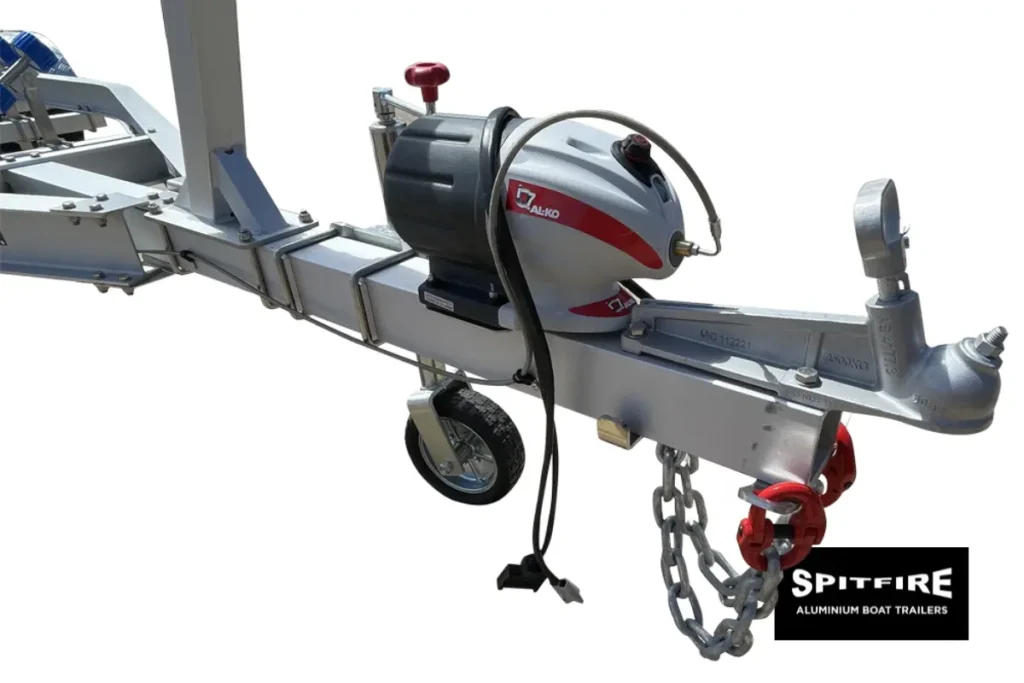
A boat trailer winch serves as the primary mechanical system for loading your boat onto the trailer and securing it during transport. Unlike simple tie-down systems, winches provide controlled mechanical advantage that allows you to guide even heavy boats precisely into position while maintaining complete control throughout the process. The winch consists of a drum or spool that winds cable or strap, a gear reduction system that multiplies your pulling force, and a braking mechanism that holds the load securely once positioned.
Modern boat trailer winches operate on straightforward mechanical principles, but their engineering sophistication has advanced significantly in recent years. Quality winches feature precision-machined gears, corrosion-resistant components, and load-holding mechanisms that provide reliable service in Australia’s harsh marine environment. The winch mounts securely to your trailer’s tongue or A-frame, positioning it to pull your boat straight and true onto the trailer without side-loading or binding.
The choice between different winch types depends primarily on your boat’s weight, how frequently you launch and retrieve, and your personal preferences for manual versus powered operation. Understanding these fundamental differences helps you make an informed decision that enhances both safety and convenience. Premium aluminium trailers like those from Spitfire are engineered with reinforced mounting points and optimized geometry that maximize winch effectiveness while ensuring long-term structural integrity.
For Australian boaters, winch selection also involves considering the diverse launching conditions you’ll encounter. From steep ramps with strong currents to shallow areas requiring precise boat positioning, your winch must perform reliably across varying scenarios. The integration between winch and trailer becomes particularly important when dealing with challenging conditions that demand precise control and unwavering reliability.
Manual winches remain the most popular choice for recreational boaters, offering simplicity, reliability, and cost-effectiveness that suits most boating applications. These winches use your physical effort combined with mechanical advantage to provide controlled pulling power, typically offering gear ratios between 3:1 and 8:1 depending on the specific model and intended application. Quality manual winches feature smooth-operating handle mechanisms, positive load-holding brakes, and corrosion-resistant construction that withstands constant exposure to saltwater and harsh Australian conditions.
The primary advantage of manual winches lies in their mechanical simplicity and independence from electrical systems. This makes them ideal for boats launched at remote locations where reliable electrical power might be unavailable or for boaters who prefer the direct control and feedback that manual operation provides. Modern manual winches incorporate ergonomic handles, smooth gear trains, and positive braking systems that make operation surprisingly effortless even with heavier boats.
Manual winches excel in applications where boat weight stays within reasonable limits and launching frequency doesn’t demand the speed of electric operation. Most recreational boaters find manual winches perfectly adequate for boats up to 2,500kg, particularly when combined with properly designed trailers that minimize loading resistance. The choosing the right boat trailer size fit and more process includes evaluating how winch type integrates with overall trailer performance.
Key considerations for manual winches include handle length (longer handles provide more leverage), gear ratio (higher ratios reduce effort but increase cranking time), and brake system reliability (essential for holding boats securely during transport). Quality manual winches also feature removable handles that prevent damage during towing and reduce theft risk when parked in public areas.
Electric winches represent the premium solution for boaters seeking maximum convenience and capability, particularly those with heavier boats or who launch frequently. These sophisticated systems combine powerful electric motors with precision gear reduction to provide effortless boat loading at the touch of a button. Modern electric winches offer variable speed control, automatic load sensing, and safety features that make boat handling safer and more precise than ever before.
The fundamental advantage of electric winches becomes apparent with boats exceeding 2,500kg or in situations requiring frequent loading and unloading. Electric operation eliminates the physical effort required for manual winching while providing consistent, controlled power that doesn’t vary with operator fatigue or strength. This consistency proves particularly valuable when loading boats in challenging conditions or when precise positioning is critical for proper trailer balance.
Electric winches integrate seamlessly with modern boat electrical systems, drawing power from the tow vehicle’s charging system or dedicated trailer batteries. Quality electric winches feature waterproof motor housings, marine-grade electrical connections, and thermal protection systems that prevent damage from overloading or extended operation. The convenience of electric operation makes boat launching more enjoyable while reducing the physical demands that can limit boating participation.
Advanced electric winches offer features like wireless remote control, programmable load limits, and integrated load monitoring that enhance both safety and convenience. These features prove particularly valuable for solo boaters or when launching in challenging conditions where maintaining control and safety margins is critical. The investment in electric winching capability often pays dividends in reduced physical stress and enhanced boating enjoyment over the long term.
Hydraulic winches represent the ultimate in power and control for professional applications and the largest recreational vessels. These systems utilize hydraulic pumps and motors to provide exceptional pulling force with infinitely variable speed control and the ability to hold loads indefinitely without power consumption. Hydraulic winches excel in commercial applications and for boats exceeding 4,000kg where their superior power-to-weight ratio and precise control capabilities justify the additional complexity and cost.
The operation of hydraulic winches differs fundamentally from electric or manual systems, using pressurized fluid to generate rotational force through hydraulic motors. This approach provides several advantages including exceptional power density, infinite speed control, and the ability to maintain constant pressure for load holding without continuous power consumption. Hydraulic systems also offer excellent overload protection since pressure relief valves prevent damage from excessive loads.
For most recreational boating applications, hydraulic winches represent overkill in terms of capability and complexity. However, for serious offshore boats, large cruisers, or commercial applications where reliability and capability are paramount, hydraulic winches provide unmatched performance. These systems typically require professional installation and maintenance, making them primarily suitable for boats where the investment is justified by usage patterns and load requirements.

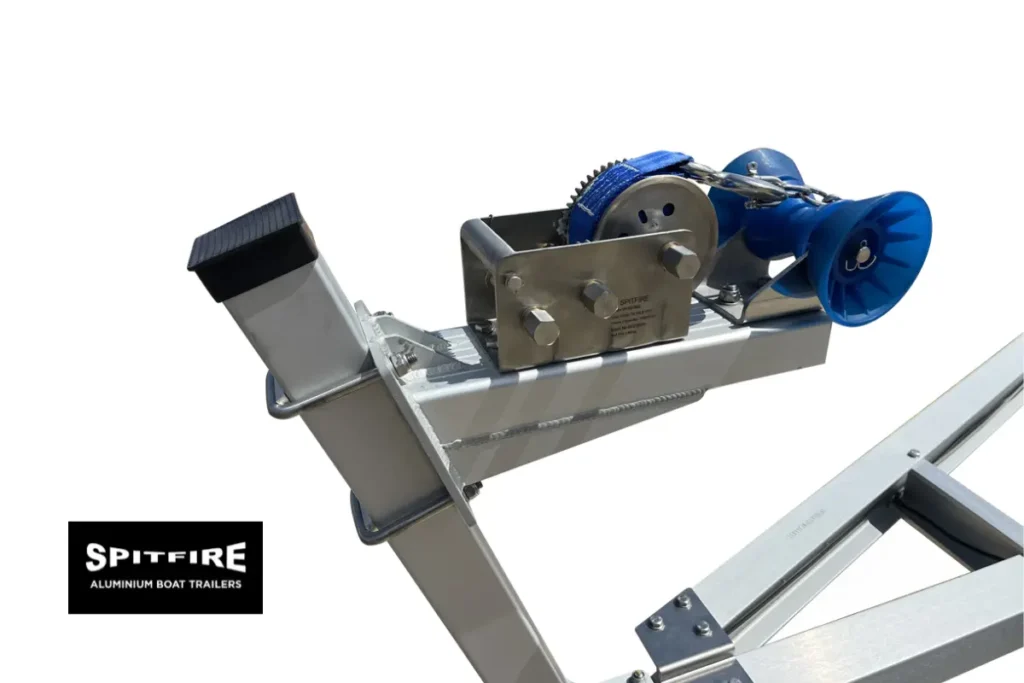
Selecting the correct winch capacity is perhaps the most critical decision in winch specification, directly impacting both safety and performance throughout your boat’s service life. The fundamental rule for winch capacity is to choose a winch rated for at least 1.5 times your boat’s total weight, including fuel, gear, and equipment typically carried during normal operation. This safety margin ensures adequate pulling power even when factors like trailer angle, surface conditions, or partial submersion increase loading resistance beyond normal expectations.
Calculating total boat weight requires considering not just the hull weight specified by the manufacturer, but also the engine, fuel, electronics, safety equipment, and personal gear typically carried during normal use. A boat with a 1,800kg dry weight might easily reach 2,200kg when fully equipped and fueled, requiring a winch with at least 3,300kg capacity to maintain the recommended safety margin. Underestimating total weight can result in winch failure at the most inconvenient moments, potentially causing damage or safety hazards.
Additional factors influence winch capacity requirements beyond simple boat weight calculations. Steep launch ramps increase loading resistance, as do trailers that must be deeply submerged for proper boat floating. Saltwater conditions can increase corrosion and friction in winch mechanisms, reducing effective capacity over time. Weather conditions like strong winds or currents can also increase the forces required for controlled boat positioning during loading operations.
The single vs dual axle boat trailers which one do you need decision also impacts winch requirements, as heavier dual-axle setups may require more powerful winches to handle the increased complexity of boat positioning and loading. Quality manufacturers like Spitfire engineer their trailers with appropriate winch mounting provisions that complement the trailer’s capacity and intended use patterns.
Professional consultation can prove valuable when winch capacity requirements fall into borderline categories or when special circumstances affect normal loading conditions. Factors like boat hull design, loading frequency, and launch ramp conditions all influence the optimal winch selection for your specific application.
Proper winch installation forms the foundation of safe, reliable boat loading operations and requires careful attention to mounting location, hardware selection, and alignment with your trailer’s geometry. The winch must mount securely to the trailer’s tongue or A-frame using appropriately rated hardware that can withstand the full pulling force of the winch without deformation or failure. Quality trailers like those from Spitfire feature reinforced mounting provisions specifically engineered to handle winch loads safely and effectively.
The mounting location requires precise positioning to ensure the winch cable or strap pulls the boat straight onto the trailer without side-loading or binding against guide components. The winch should align with the boat’s centerline and position at a height that allows the cable to approach the boat’s bow eye at an optimal angle. Too high or too low mounting can create geometric problems that increase loading difficulty and stress on both winch and boat components.
Installation hardware must match or exceed the winch’s capacity rating, using marine-grade bolts, washers, and backing plates appropriate for the mounting application. Stainless steel or galvanized hardware resists corrosion in the marine environment while providing the strength needed for reliable operation. All mounting bolts should penetrate completely through the trailer structure with appropriate backing plates to distribute loads effectively across the mounting area.
Electrical connections for electric winches require marine-grade wiring and connections capable of handling the winch’s current requirements without voltage drop or corrosion problems. Proper electrical installation includes appropriately sized conductors, waterproof connections, and circuit protection that prevents damage from overloads or short circuits. The troubleshooting common boat trailer brake problems principles apply equally to winch electrical systems, emphasizing the importance of quality connections and proper maintenance.
Cable or strap routing requires consideration of wear points and potential interference with trailer components during normal operation. Quality installations include fairleads or guides that protect the cable from sharp edges while ensuring smooth operation throughout the winch’s range of motion. Proper installation also provides adequate cable capacity on the winch drum to handle the full range of boat positioning requirements.
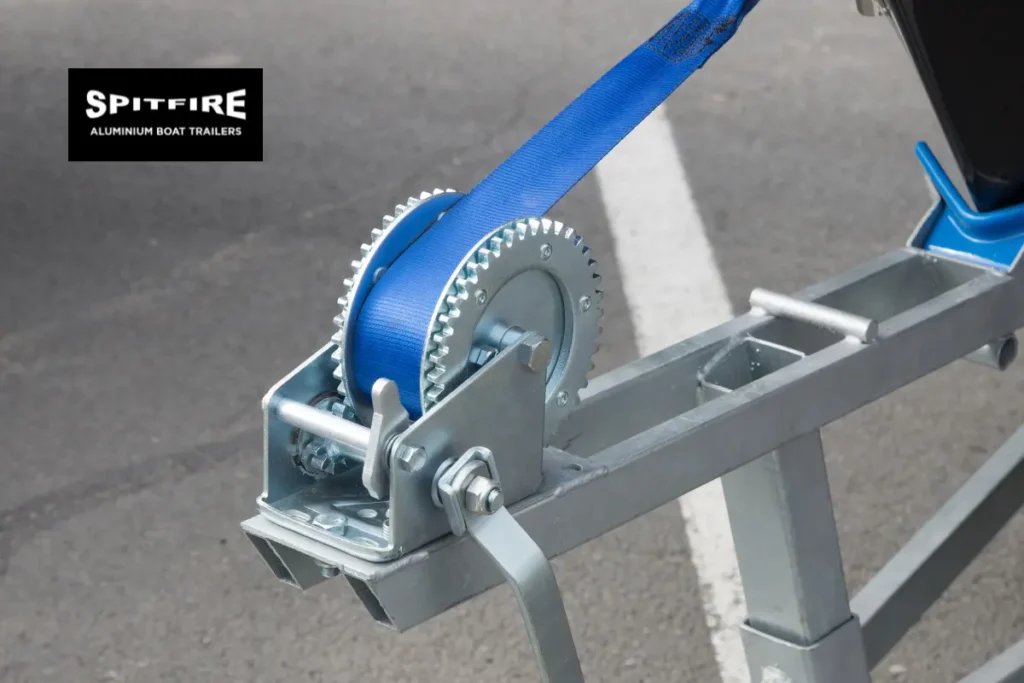
The choice between cable and strap for your winch system significantly impacts reliability, safety, and maintenance requirements throughout your boat’s service life. Steel cable offers superior strength and abrasion resistance, making it ideal for heavy boats or challenging loading conditions where maximum reliability is essential. However, cable requires more careful handling to prevent injury from broken strands and demands regular inspection and maintenance to ensure continued safe operation.
Steel cable excels in applications where sharp edges, rocky launch areas, or heavy loads might damage synthetic materials. Quality marine cable features galvanized construction that resists corrosion while providing the strength needed for demanding applications. Cable systems typically last longer than straps in abusive conditions but require more careful handling and storage to prevent kinking or damage that can lead to sudden failure.
Synthetic straps offer advantages in ease of handling, storage convenience, and safety during normal operation. Modern synthetic materials provide excellent strength-to-weight ratios while being more forgiving of handling mistakes that might damage cable. Straps are also lighter and easier to store, making them popular choices for recreational applications where maximum convenience is desired.
The selection between cable and strap often depends on your specific boating patterns and launch conditions. Boats launched primarily at improved ramps with smooth surfaces may benefit from the convenience and safety of synthetic straps, while boats used in more challenging conditions might require the durability and reliability of steel cable. The how saltwater affects boat trailers considerations apply equally to winch components, making material selection critical for long-term reliability.
Quality winch systems accommodate either cable or strap options, allowing you to choose the solution that best matches your specific requirements and preferences. Some boaters maintain both options, using cable for challenging conditions and straps for routine launches at familiar locations.
Modern winch systems incorporate numerous safety features designed to prevent accidents and equipment damage during boat loading operations. Load-holding brakes represent the most critical safety feature, preventing unwanted cable release that could allow the boat to slide off the trailer unexpectedly. Quality winches feature positive-engagement braking systems that hold loads securely even when the winch handle is removed or electrical power is interrupted.
Overload protection prevents winch damage and reduces the risk of sudden failure under excessive loads. Manual winches typically rely on operator judgment and mechanical stops to prevent overloading, while electric winches may incorporate current-sensing circuits that shut down operation before damaging loads are reached. Hydraulic systems use pressure relief valves that protect against excessive forces while maintaining precise load control.
Cable or strap condition monitoring requires regular inspection to identify wear, corrosion, or damage that could lead to failure. Broken cable strands, frayed strap edges, or corroded connections all represent potential failure points that could result in boat damage or personal injury. Establishing regular inspection routines helps identify problems before they become safety hazards during critical loading operations.
Proper operating procedures include maintaining control of the boat throughout the loading process, ensuring adequate clearance from other boats or obstacles, and using appropriate personal protective equipment when handling cables or heavy components. The 5 essential safety checks before towing your boat trailer includes winch system verification as a critical component of pre-departure safety protocols.
Emergency release procedures should be understood and practiced before they’re needed in actual emergency situations. Knowing how to quickly release winch tension can prevent serious damage if the boat becomes hung up during loading or if changing conditions require rapid boat repositioning.
Regular maintenance ensures your winch system operates reliably when needed and extends service life significantly beyond what neglect would allow. Monthly inspections should include checking cable or strap condition, verifying smooth operation of the winch mechanism, and ensuring all mounting hardware remains tight and secure. These simple checks prevent most winch-related problems while identifying developing issues before they become failures.
Lubrication requirements vary with winch type and operating environment but generally include periodic greasing of gear mechanisms and application of appropriate lubricants to exposed moving parts. The best lubricants to use for your boat trailer maintenance guide provides specific recommendations for winch components and operating conditions typical in Australian marine environments.
Saltwater exposure demands more aggressive maintenance schedules and corrosion prevention measures than freshwater use. Post-launch rinsing with fresh water removes salt deposits that accelerate corrosion, while periodic disassembly and cleaning of internal components prevents long-term damage from salt accumulation. Quality marine winches feature sealed bearings and corrosion-resistant materials that minimize maintenance requirements while maximizing reliability.
Common troubleshooting issues include cable binding, gear mechanism stiffness, and electrical problems in powered units. Most problems trace to inadequate maintenance, improper installation, or normal wear that requires component replacement. Keeping spare parts like cable, electrical connections, and wear items helps minimize downtime when problems occur away from home base.
Professional service becomes necessary when internal damage occurs or when troubleshooting exceeds normal owner capabilities. Qualified marine service providers have the specialized tools and expertise needed for complex winch repairs while ensuring safety standards are maintained throughout the service process.
Spitfire Trailers QLD engineers our premium aluminium boat trailers with winch integration as a fundamental design consideration, ensuring optimal performance and reliability across our complete range of trailer sizes and capacities. Our trailers feature reinforced tongue construction and precisely positioned mounting provisions that accommodate quality winch systems while maintaining the structural integrity essential for safe, reliable operation. This attention to integration details ensures your winch system performs optimally while contributing to the overall excellence that defines Spitfire trailers.
The low-profile design characteristic of Spitfire trailers optimizes winch geometry by positioning the boat closer to the trailer deck, reducing the angle and effort required for loading operations. This thoughtful design approach minimizes stress on winch components while making boat loading easier and more controlled. Combined with our standard VeeGuide bunk systems and HDPE keel slides, properly specified winches integrate seamlessly with Spitfire’s engineered boat support systems.
Our aluminium construction provides inherent advantages for winch mounting and long-term reliability. Aluminium’s corrosion resistance ensures mounting points remain structurally sound even after years of saltwater exposure, while the material’s strength characteristics allow for lighter trailer construction without compromising winch mounting integrity. This engineering approach contributes to better overall towing characteristics while ensuring winch systems operate effectively throughout the trailer’s service life.
Spitfire’s commitment to Australian manufacturing and engineering means our trailers are specifically designed for local conditions and usage patterns. This includes consideration of typical boat types, launching conditions, and the quality standards expected by serious Australian boaters. When you combine a quality winch system with a Spitfire trailer, you’re investing in an integrated solution engineered for superior performance and long-term reliability in Australian conditions.
What winch capacity do I need for my boat? Choose a winch rated for at least 1.5 times your boat’s total loaded weight. For a 2,000kg boat with fuel and equipment, select a winch rated for minimum 3,000kg capacity to ensure adequate safety margin and reliable operation.
Should I choose manual or electric winch operation? Manual winches suit boats under 2,500kg and occasional use, while electric winches excel for heavier boats or frequent launching. Consider your physical capabilities, boat weight, and launching frequency when making this decision.
How often should I service my boat trailer winch? Inspect your winch monthly and perform thorough maintenance every six months or more frequently in saltwater conditions. This includes checking cable condition, lubricating mechanisms, and verifying mounting hardware remains secure.
Can I install a winch on any boat trailer? Most trailers can accommodate winch installation, but proper mounting requires adequate structural support and correct positioning. Quality trailers like Spitfire models feature engineered winch mounting provisions for optimal safety and performance.
What’s the difference between cable and strap winches? Cable offers superior strength and durability for challenging conditions, while straps provide easier handling and storage. Choose based on your boat weight, launch conditions, and personal safety preferences.
How do I know when to replace my winch cable or strap? Replace cables showing broken strands, kinks, or excessive corrosion. Replace straps with cuts, fraying, or UV damage. Regular inspection helps identify replacement needs before failure occurs during use.
What maintenance does an electric winch require? Electric winches need regular cleaning, lubrication of mechanical components, and inspection of electrical connections. Keep connections clean and dry, and test operation regularly to ensure reliable performance when needed.
How important is winch mounting position? Proper mounting position is critical for safe operation and component longevity. The winch must align with the boat’s centerline and position at the correct height to ensure straight pulls without binding or side-loading.
Choosing the right winch for your boat trailer requires careful consideration of your specific boat, trailer, and usage requirements. Spitfire Trailers QLD’s experienced team can help you select the perfect winch system that integrates seamlessly with our premium aluminium trailers, ensuring optimal performance and safety for your boating adventures. Visit our showrooms in Townsville, Rockhampton, or Brisbane, or contact us at (07) 4440 0010 to discuss your specific requirements with our knowledgeable professionals.
|
Uploaded
Failed
|
 |